ClickCease

What is Abdominoplasty Surgery (Tummy Tuck)?

tummy tuck surgery in Cambridge

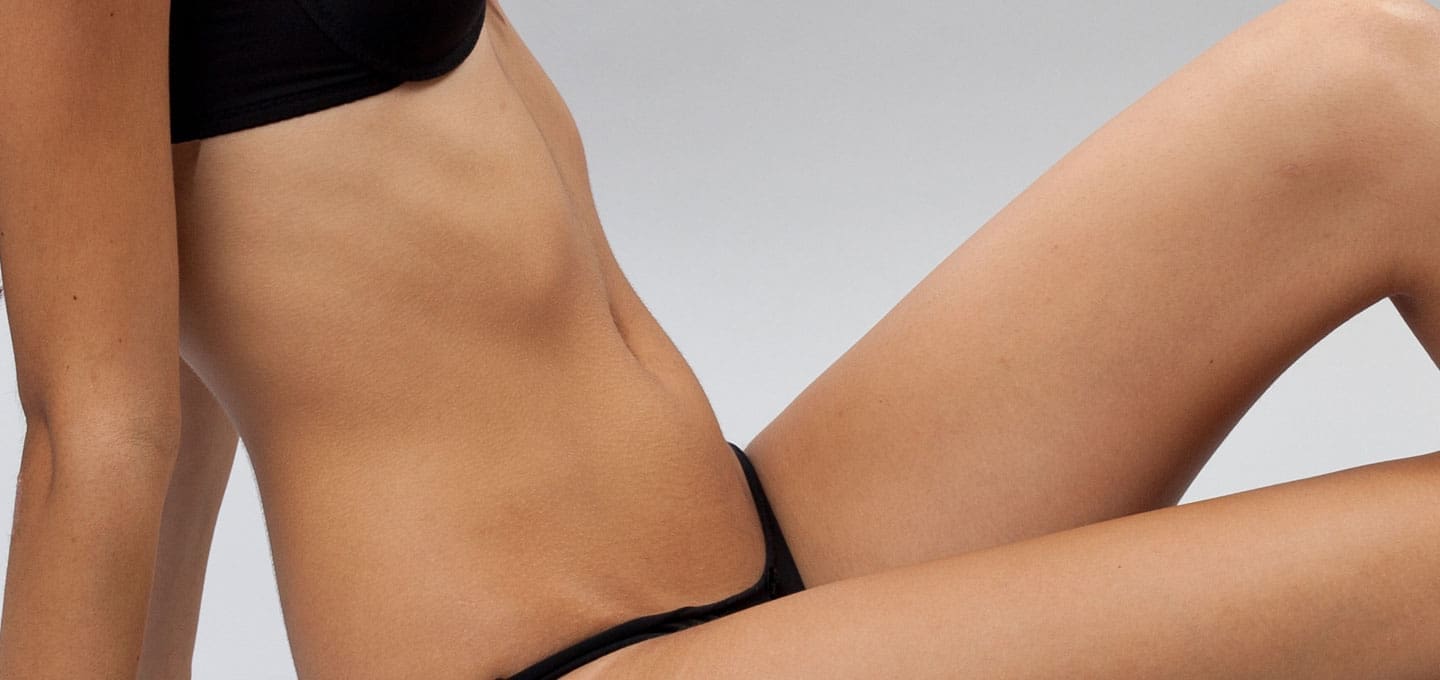
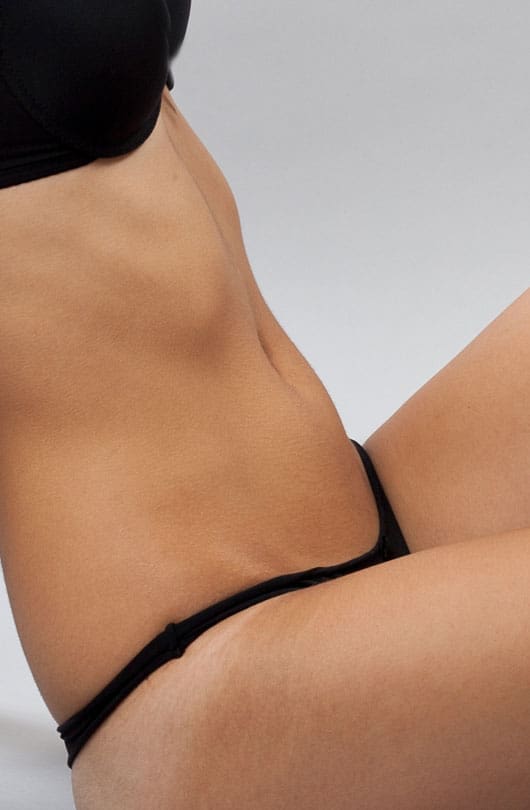
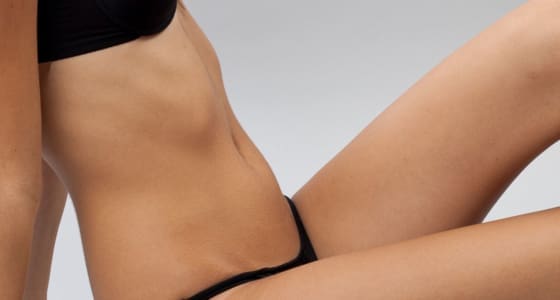
Changes in weight, pregnancy, and the natural ageing process can all affect the tone and shape of your abdomen. When the skin has been stretched for a long time, it often loses its ability to retract fully, leaving loose or sagging tissue that no amount of exercise can improve. An abdominoplasty, more commonly known as a tummy tuck, is a surgical procedure designed to remove this excess skin and fat while tightening the underlying abdominal muscles. The aim is to restore a firmer, smoother contour that feels more in line with your natural body shape.

Although a tummy tuck can refine the appearance of the abdomen, it is not a substitute for weight loss. Instead, it is typically considered once someone has reached or is close to their ideal weight. People in Cambridge often explore this procedure for reasons such as:

  • Loose or stretched skin after pregnancy
  • Significant weight loss leading to folds of excess skin
  • Reduced skin elasticity, causing wrinkling or sagging
  • Weakness in the abdominal wall that may benefit from surgical tightening

Dr Abood is widely regarded as one of the UK’s leading plastic surgeons, known for his expertise, precision, and patient-focused approach. If you are considering abdominoplasty in Cambridge, you can book a private consultation with Dr Abood.

Call 0800 2335088 or use the “Book Consultation” button below to arrange your appointment.

About Dr Ahid Abood

Ahid Abood Plastic Surgery - How we can help

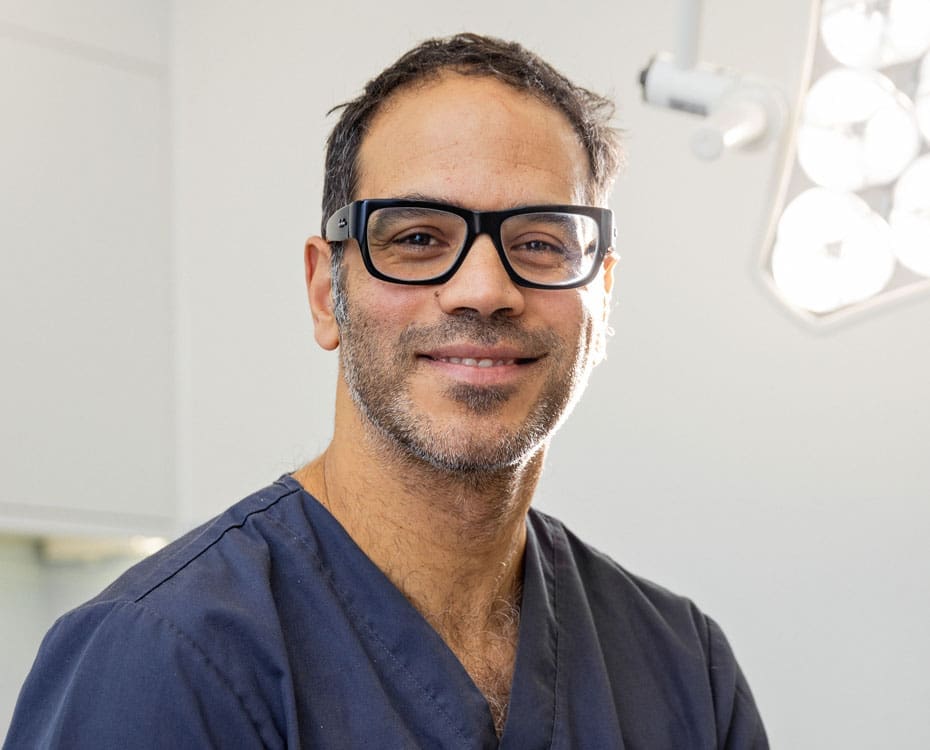
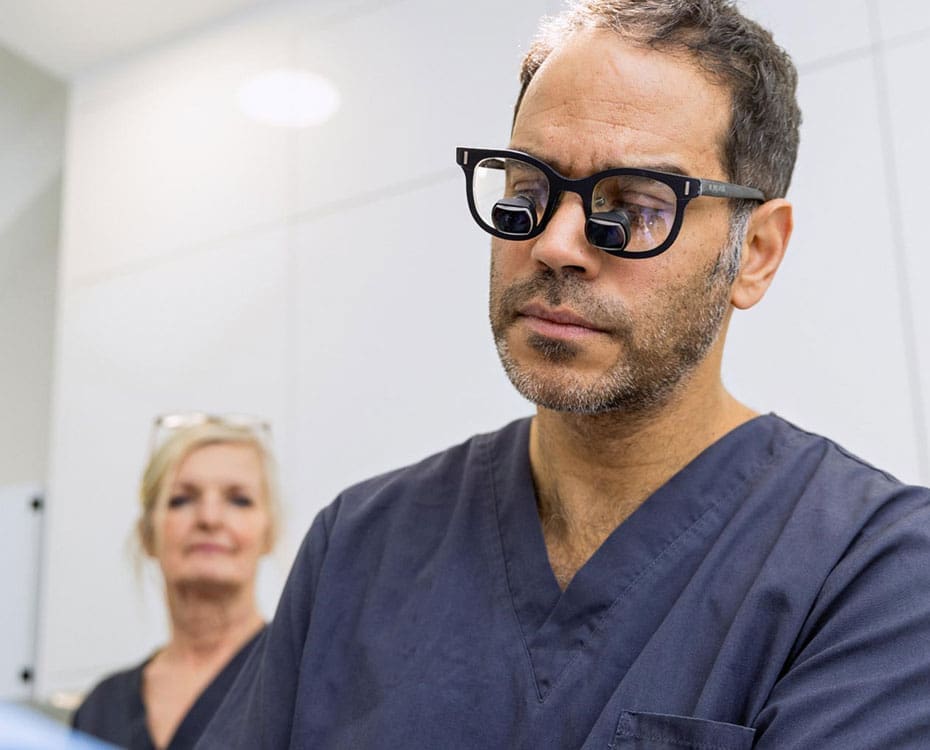
Dr Ahid Abood is a double board-certified consultant plastic and reconstructive surgeon, providing private treatment in Cambridge alongside his extensive work within the NHS and his commitment to training future doctors at the University of Cambridge.

Becoming an NHS consultant typically requires more than a decade of specialist training after qualifying as a doctor. Dr Abood is the Clinical Lead for Major Trauma Reconstruction for the East of England and a core member of the regional Skin Cancer Multidisciplinary Team, reflecting both his senior clinical leadership and advanced specialist expertise.

Dr Abood completed his undergraduate medical degree at the University of Cambridge before finishing his clinical training at Imperial College London. He subsequently undertook several prestigious fellowships in plastic, reconstructive and cosmetic surgery in both the UK and overseas, where he refined his skills in complex reconstructive procedures and advanced aesthetic surgery.

He is fully registered with the General Medical Council (GMC) and holds professional membership with internationally recognised surgical bodies, including the British Association of Plastic, Reconstructive and Aesthetic Surgeons (BAPRAS), the British Association of Aesthetic Plastic Surgeons (BAAPS) and the American Society of Plastic Surgeons (ASPS). These affiliations demonstrate his commitment to the highest clinical, ethical and safety standards in plastic surgery.

Dr Abood has published more than thirty-five peer-reviewed research papers and contributed chapters to specialist textbooks on cosmetic surgery. His research into minimal-scar techniques for skin cancer treatment earned him an MSc with Distinction, underlining his dedication to innovation, patient safety and optimal surgical outcomes.

Dr Abood’s areas of specialist expertise include:

  • Reconstructive microsurgery for patients recovering from trauma or cancer
  • Management of all forms of skin cancer, including sentinel lymph node biopsy
  • Scar refinement and improvement
  • Cosmetic surgery procedures, including body contouring and abdominoplasty (tummy tuck)

What our patients think

Your Abdominoplasty Journey

1. Book
2. Consultation
3. Procedure
4. Aftercare Support

Booking Your Consultation in Cambridge

Book a consultation at our Cambridge Clinic

Your consultation is an important first step in understanding whether abdominoplasty is the right option for you. It is a dedicated, unhurried appointment where you can openly discuss your concerns, the changes you would like to see, and any questions you may have about the procedure.

Dr Abood will talk through your reasons for considering a tummy tuck and explain what the surgery involves, including the expected recovery process and what results may realistically be achieved.

What to Expect at Your Consultation

A thorough assessment of your abdomen is essential. During the appointment, Dr Abood will:

  • Examine the skin quality and degree of laxity
  • Assess muscle tone and identify any separation or weakness
  • Check for existing scars, previous surgery, or abdominal conditions such as hernias
  • Review your general health and medical history to ensure the procedure is safe and suitable for you

Once he has a clear understanding of your goals and anatomy, Dr Abood will advise which approach is most appropriate for you. You will also be able to view a selection of genuine before-and-after photographs from previous patients to help set realistic expectations.

A Two-Stage Consultation Process

Choosing surgery is a significant decision, and it is important that you feel completely comfortable and informed. For this reason, there is always a second consultation before any tummy tuck procedure goes ahead. This gives you time to reflect on the information from your first appointment, consider your options, and discuss any further questions or concerns before confirming your plan.

The Abdominoplasty Procedure: What to Expect

Book a consultation in Cambridge

A tummy tuck is tailored to your body and your goals. Several techniques can be used, each involving the removal of varying amounts of skin and fat, with or without muscle tightening. The most appropriate option will be discussed and agreed upon with you during your consultation. Common approaches include:

Full Abdominoplasty (Standard Tummy Tuck)

This is the most frequently performed type of tummy tuck. It typically involves:

  • Removing excess skin and fat from the area between the belly button and the pubic region
  • Tightening the underlying abdominal muscles, if required
  • Repositioning the belly button so that it sits naturally on the newly contoured abdomen

This approach is often suitable for patients with significant skin laxity and muscle weakness, for example, after pregnancy or major weight changes.

Extended or Fleur-de-Lis Abdominoplasty

An extended tummy tuck, sometimes called a fleur-de-lis abdominoplasty, is usually reserved for patients who have lost a large amount of weight and are left with substantial loose skin across both the upper and lower abdomen.

Features of this technique can include:

  • Removal of a larger area of excess skin and fat than in a standard tummy tuck
  • Tightening and reshaping of the abdominal area in both the vertical and horizontal directions
  • An additional vertical scar (in addition to the low horizontal scar), which allows more extensive tightening and contouring

Although the scarring is more extensive, this approach can offer a more dramatic improvement in selected patients.

Mini Tummy Tuck

A mini abdominoplasty is best suited to people who only have a small amount of excess skin and do not need their belly button repositioned.

Typically, this procedure:

  • Focuses on the area just above the pubic line
  • Involves the removal of a limited amount of loose skin
  • Does not usually require repositioning of the belly button
  • Takes around an hour in many cases and may be performed under either local or general anaesthetic, depending on the individual

Combining Tummy Tuck with Liposuction

For all types of abdominoplasty, liposuction can be added to refine the result. It can help to:

  • Smooth out stubborn pockets of fat
  • Enhance the waistline
  • Improve overall abdominal contour and definition

Your treatment plan will be carefully personalised so that the chosen technique, and any use of liposuction, aligns with your anatomy, expectations and lifestyle.

Abdominoplasty Recovery: Aftercare and Results

Before you leave the clinic, you will be given clear written and verbal guidance on what to do and what to avoid in the first few weeks after your tummy tuck. You will also be provided with contact details so you can get in touch if you have any concerns during your recovery. Your progress is carefully monitored with follow-up appointments, which are typically arranged at around 1 week, 6 weeks, 3 months and 1 year after surgery.

In the days and weeks following your abdominoplasty, it is normal for the abdomen to feel tight, tender and swollen. Bruising and swelling can last for several weeks. You will be advised to wear a post-surgical compression garment, which helps support the area, reduce swelling and make movement more comfortable.

Although you will usually be encouraged to be gently up and about from the first day after surgery, it can take a number of weeks before you feel fully back to your usual routine. Most patients need some time off work and are advised to gradually increase their activity levels, avoiding heavy lifting and strenuous exercise until they have been medically cleared to do so.

You will notice a change in your abdominal contour straight away, but the final result takes time to settle. As the swelling gradually subsides and the tissues heal over the following weeks and months, the abdomen typically appears flatter, firmer and more defined. Your follow-up reviews are an opportunity to check healing, discuss scar care and make sure you are happy with your progress.

Abdominoplasty Before and After

Abdominoplasty (Tummy Tuck) FAQs

Am I a Good Candidate for Tummy Tuck (Abdominoplasty) Surgery in Cambridge?

Abdominoplasty is a surgical procedure that removes excess skin and tissue from the abdomen and can tighten the underlying muscles to give a flatter, more toned appearance. It is often requested by women and men who are left with loose or overhanging skin after significant weight loss or pregnancy, when the skin can no longer shrink back to match their new shape.

You may be a suitable candidate if:

  • You have loose or sagging skin around the abdomen
  • Your weight is relatively stable, and you are near your ideal weight
  • You are in good general health and a non-smoker (or able to stop smoking before and after surgery)
  • You have realistic expectations about what surgery can achieve

A tummy tuck is not a substitute for healthy eating and regular exercise, and it is not designed as a primary weight-loss procedure or a way to reach your target weight. It is usually considered towards the end of a weight-loss journey, once your weight has settled.


How Safe Is Tummy Tuck (Abdominoplasty) Surgery?

All surgery carries some degree of risk, but your safety and well-being are always the priority. Dr Abood is a highly experienced plastic and reconstructive surgeon who has performed many abdominoplasty procedures. He operates in reputable, regulated hospitals and works with specialist anaesthetists and experienced nursing teams.

Before proceeding, your medical history, general health and suitability for surgery will be carefully assessed. The potential risks and benefits will be explained in detail so you can make an informed decision. Throughout your journey, every effort is made to keep you safe, comfortable and fully supported.

Will a Tummy Tuck Hurt?

A tummy tuck is carried out under a general anaesthetic, so you will be fully asleep and will not feel any pain during the operation. Pain relief is given during and after surgery to help keep you comfortable as you wake up and in the first few days of recovery.

Some tightness, discomfort and a pulling sensation in the abdomen are normal, particularly when moving or standing up straight, but many patients are pleasantly surprised by how manageable it feels. You will wake up wearing a compression garment, which supports the area and can make movement more comfortable. You will also be given clear aftercare advice and appropriate pain medication to use at home.

What Side Effects or Risks Are Associated with Tummy Tuck Surgery?

Everyone recovers at a slightly different pace, but some temporary side effects are common after abdominoplasty. These can include:

  • Swelling and bruising of the abdomen
  • Tightness or discomfort
  • Numbness or altered sensation around the scar

These usually improve gradually over several weeks. Any incisions will leave scars, which are permanent but typically fade and soften over time. Dr Abood will advise you on scar care to help achieve the best possible cosmetic outcome.

Less common risks include delayed wound healing, fluid collection (seroma), infection, bleeding, and problems with scar quality. More serious complications are rare but will be discussed with you as part of the consent process, so you have a clear understanding of the potential risks before deciding to proceed.

How Long Does It Take to Recover After a Tummy Tuck?

You will usually be encouraged to start gently mobilising (getting up and walking short distances) from the first day after surgery. Activity then increases gradually over the following days and weeks.

As a general guide:

  • Many people feel able to return to desk-based or light work after around 2 weeks
  • Those with more physical jobs or heavy lifting may need longer off work
  • Strenuous exercise, heavy lifting and high-impact activities are usually restricted for several weeks

By around 12 weeks, most patients are back to their normal daily activities, including exercise, although this can vary from person to person. Your recovery plan will be tailored to you, and follow-up appointments will help ensure you are healing as expected.

How to Find Our Cambridge Clinic

Directions

Dr Ahid Abood’s Cambridge clinic is located at:

The Day Clinic
1st Floor, Unit A, Magog Court
Hinton Way, Cambridge
CB22 3AD

We are open Monday to Friday, 9:00 am – 5:00 pm.
We are closed on Saturdays and Sundays.

By Car

If you are travelling from central Cambridge, take the A1307 towards Haverhill and turn right at the first roundabout onto Hinton Way. Take the first left into Magog Court. There is on-site parking available for both cars and bicycles.

If you are approaching from other directions, aim for the roundabout where the A1307 meets Hinton Way and take the exit towards Shelford. Then take the first left into Magog Court.

By Bus

If you are travelling by bus, take the Babraham Road Park & Ride (green) service and get off at the Babraham Road stop. The Day Clinic is then approximately a 10-minute walk away.

The Babraham Road Park & Ride runs around every 10 minutes, and buses can also be boarded from Addenbrooke’s Hospital and the Grafton Centre.

By Rail

The nearest railway stations are Cambridge and Shelford.

From Cambridge Station

There is a taxi rank directly outside the station. The journey to Magog Court usually takes around 15 minutes, depending on traffic. Cambridge has frequent rail services to London and many other major destinations.

From Shelford Station

Shelford Station is closer to the clinic than Cambridge Station but has fewer train services. There is no taxi rank, so you would need to arrange a local taxi in advance. The drive from Shelford Station to Magog Court takes around 5 minutes.

Cambridge: A Historic City with a Modern Heart

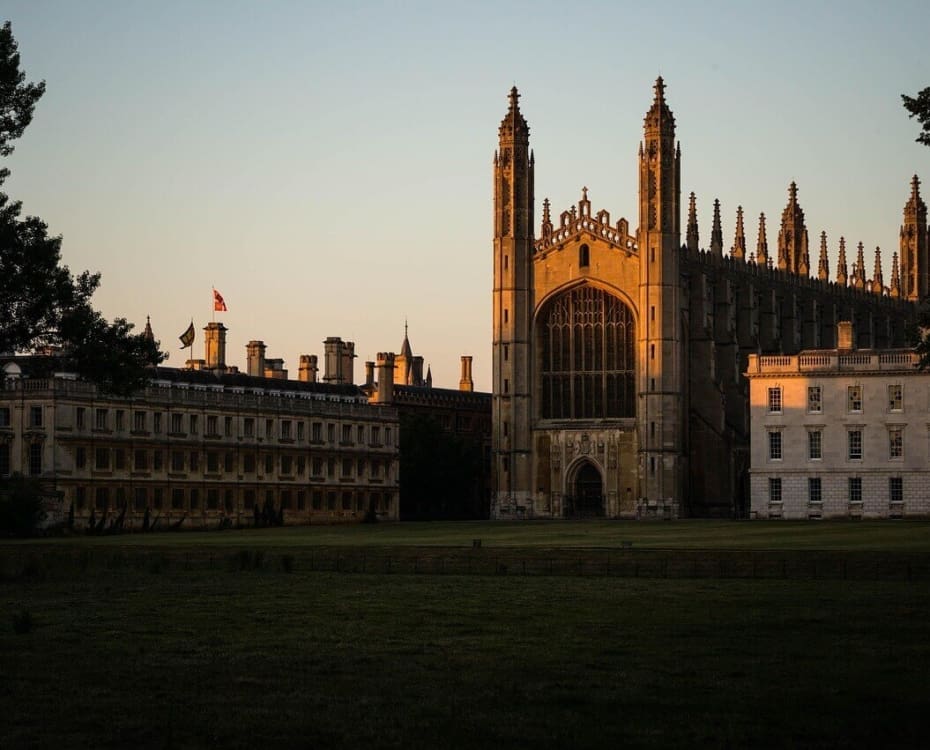
Cambridge is a city that blends history, learning and everyday life in a way few other places can. Set on the edge of the Fens in the East of England, it is world-renowned for the University of Cambridge, its beautiful colleges and the striking architecture that lines the River Cam. Alongside this heritage, it remains a busy market city with a strong local community, thriving businesses and excellent transport links.

Visitors and residents alike can spend a day punting along the River Cam, wandering through cobbled streets and courtyards, or stepping inside some of the famous colleges. The city centre is also home to independent boutiques, cafes and restaurants, as well as larger high street names, making it easy to combine sightseeing with shopping and dining.

Cambridge has grown into a major centre for healthcare, science and technology, with leading hospitals, research institutes and clinics serving both the city and the surrounding villages. For patients considering abdominoplasty, this means access to high-quality medical care in a setting that is easy to reach from areas such as Trumpington, Cherry Hinton, Shelford, Sawston and beyond.

Ahid Abood Plastic Surgery - Newsletter sign up

Sign up to our newsletter

AA Plastic Surgery