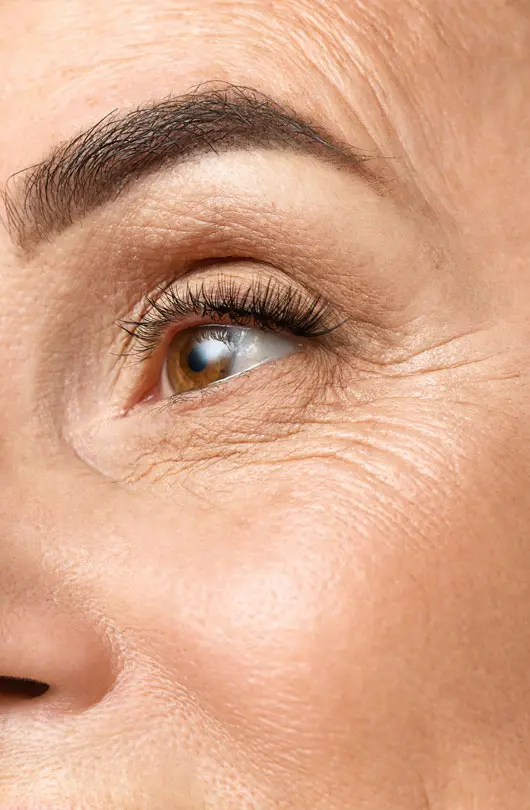
These areas are key to facial expression and communication, so even subtle changes can have a noticeable impact on how refreshed or vibrant a person appears.
One of the first signs is the development of forehead lines and frown lines. Repeated muscle movement from expressions such as smiling, frowning, or raising the eyebrows causes fine lines that eventually deepen and remain visible at rest. As collagen and elastin production decline with age, the skin becomes thinner, less resilient, and slower to repair itself, allowing these creases to settle more permanently.
Brow descent is another hallmark of upper face ageing. Over time, the forehead muscles weaken, and the tissues supporting the eyebrows begin to droop. This can create a ‘heavier’ look around the upper eyelids or lead to subtle hooding that makes the eyes appear smaller or tired.
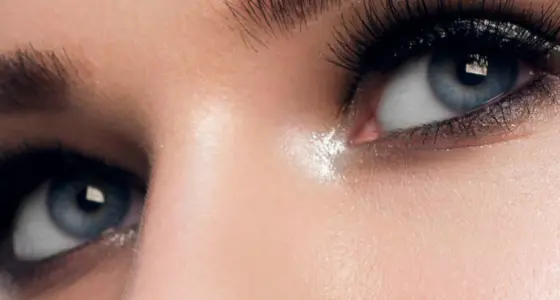
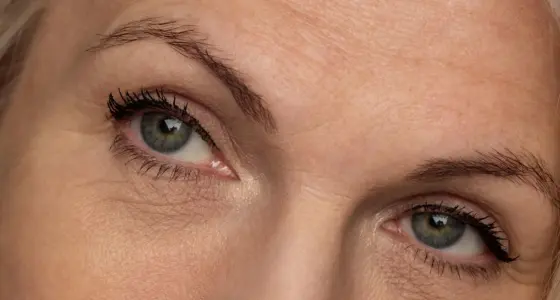
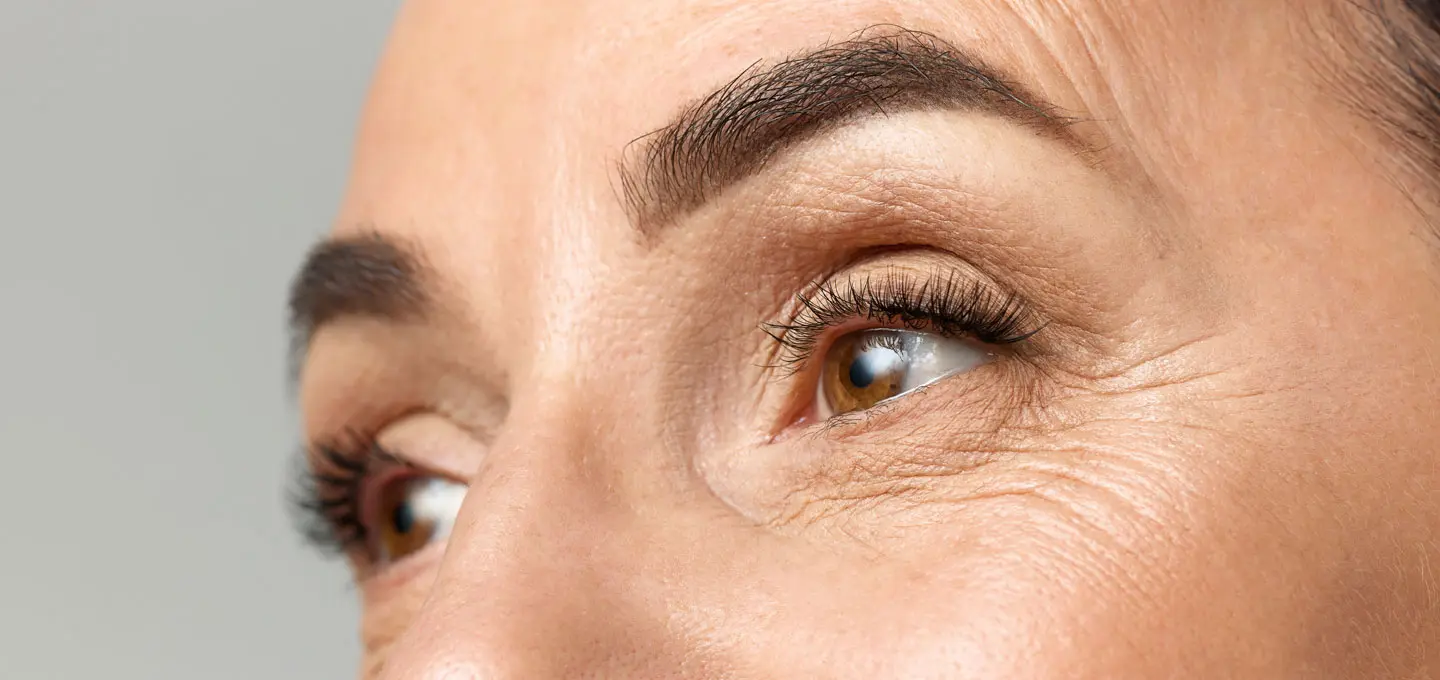
The eye area itself is particularly delicate, with skin that is around 40% thinner than that on the rest of the face. As natural fat pads shift and muscle tone reduces, people may notice puffiness, dark circles, or hollowing beneath the eyes. Fine lines, crow’s feet, and loose skin on the upper or lower lids can also appear more prominent, adding to the impression of fatigue.
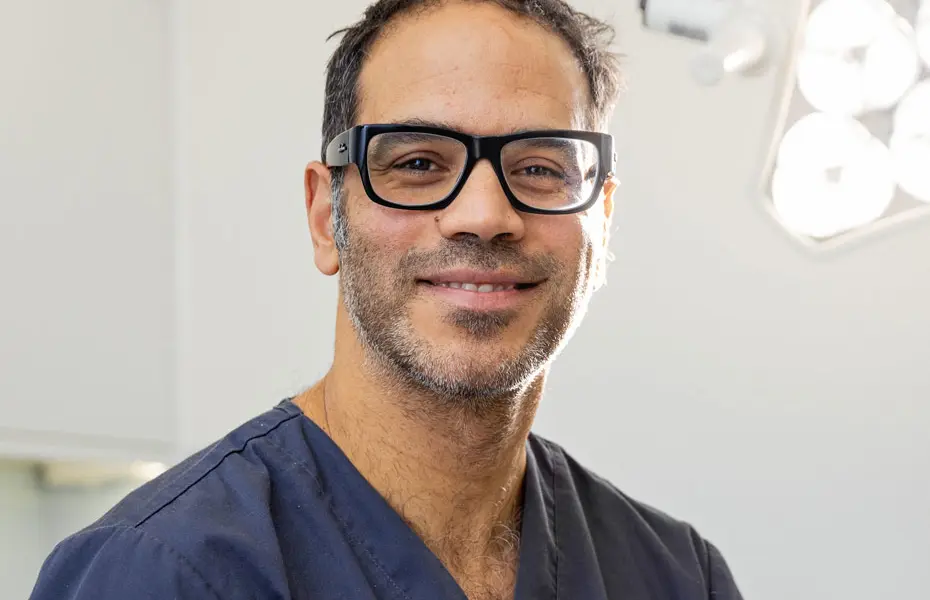
At Mr Abood in London and Cambridge, we take a personalised, holistic approach to treating upper face ageing. Our specialists consider the dynamic relationship between the forehead, brows, and eyes before recommending tailored solutions. Mr Ahid Abood may recommend a brow lift, eyelid surgery (blepharoplasty), or a combination of both, to restore balance, lift, and a naturally revitalised appearance. These procedures can also be performed alongside a facelift or mini facelift, for a more comprehensive approach to full facial ageing.