ClickCease

What is Mammoplasty?

Breast Augmentation

Mammoplasty, often referred to as breast reduction surgery, is a procedure designed to reduce the size and weight of the breasts by removing excess tissue and skin. For many women, overly large breasts can cause physical discomfort, limit activity, and make finding comfortable clothing or supportive bras difficult. A reduction can create a lighter, more balanced shape while improving posture and overall confidence.

The procedure can also reshape heavy or drooping breasts, giving them a more lifted and youthful appearance. As part of the operation, the nipples are moved to a naturally higher position to match the new contour. For women with asymmetrical breasts, a reduction on the larger side can help achieve better symmetry and a more harmonious outline.

In Cambridge, women consider mammoplasty for a range of reasons, including:

  • Persistent back or shoulder pain linked to breast size
  • Neck discomfort caused by the strain of heavy breasts
  • Difficulty finding well-fitting clothing or bras
  • Skin irritation under the breast fold
  • Reduced confidence due to disproportionately large or heavy breasts

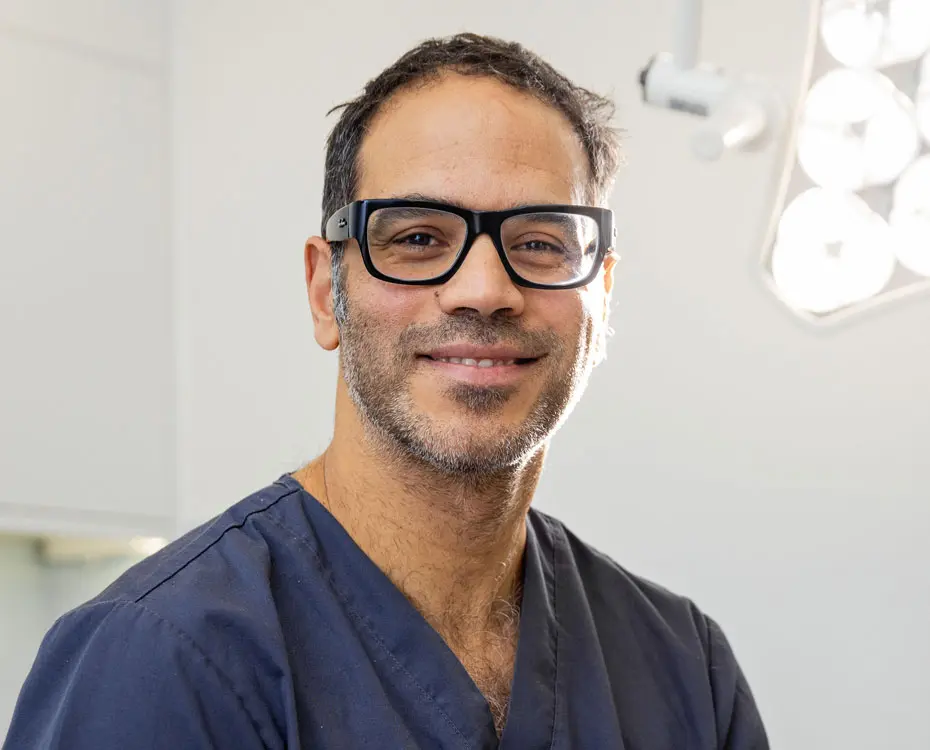
Dr Ahid Abood is a consultant plastic and reconstructive surgeon with extensive experience in breast procedures, offers personalised mammoplasty care at his Cambridge clinic. His approach focuses on comfort, safety and results that complement each patient’s natural proportions.

Call us on 0800 2335088 or click the “Book Consultation” button below.
About Dr Ahid Abood

Ahid Abood Plastic Surgery - How we can help

Dr Ahid Abood is a dual-board certified consultant plastic and reconstructive surgeon providing private care in Cambridge, alongside his work within the NHS and his role in training medical students at the University of Cambridge. His career reflects more than a decade of advanced surgical training after qualifying as a doctor, culminating in his appointment as an NHS consultant.

Within the NHS, Dr Abood serves as the Clinical Lead for Major Trauma Reconstruction for the East of England and is a key member of the regional Skin Cancer Multidisciplinary Team. These senior positions highlight both his depth of clinical expertise and his commitment to managing complex reconstructive cases to the highest standards of care.

He studied medicine at the University of Cambridge, completed his clinical training at Imperial College London, and went on to undertake several highly competitive fellowships in the UK and overseas. This training provided him with extensive experience across reconstructive, microsurgical and aesthetic surgery, including specialist work in skin cancer management.

Dr Abood is fully registered with the General Medical Council (GMC) and is a member of respected professional bodies, including the British Association of Plastic, Reconstructive and Aesthetic Surgeons (BAPRAS), the British Association of Aesthetic Plastic Surgeons (BAAPS) and the American Society of Plastic Surgeons (ASPS). These memberships reflect his adherence to rigorous clinical, ethical and professional standards.

He has authored more than thirty-five peer-reviewed publications and contributed chapters to specialist textbooks on cosmetic surgery. His research into minimal-scar techniques for skin cancer treatment earned him an MSc with Distinction, demonstrating a sustained focus on refined surgical methods and optimal patient outcomes.

His areas of specialist expertise include:

  • Reconstructive microsurgery following trauma or cancer
  • Management of all forms of skin cancer, including sentinel lymph node biopsy
  • Scar improvement and complex scar revision
  • Cosmetic surgery, including breast and body contouring procedures

What our patients think

Mammoplasty in Cambridge

What to Expect from Breast Reduction Surgery in Cambridge

For women living with very large breasts, breast reduction (mammoplasty) can have a profound impact on day-to-day comfort and confidence. In Cambridge, many women seek this procedure not just for cosmetic reasons, but to ease the physical strain that heavy breasts can place on the neck, shoulders and back.

Large, heavy breasts often contribute to problems such as persistent back or neck pain, shoulder grooves from bra straps, skin irritation beneath the breast fold and difficulty taking part in exercise or certain hobbies. Over time, these issues can become more limiting. There is also an emotional side: finding clothes that fit well can be frustrating, and feeling self-conscious about breast size can affect self-esteem and social confidence.

Your initial consultation and all routine follow-up appointments are carried out at Dr Abood’s Cambridge clinic, providing a calm and familiar setting throughout your treatment journey. Smaller breast reductions may be suitable as day-case procedures, allowing you to go home the same day. Larger or more complex reductions may require an overnight stay in one of the CQC-regulated hospitals where Dr Abood operates, to ensure you are monitored safely and comfortably.

During surgery, excess breast tissue and skin are carefully removed to create breasts that feel lighter, more in proportion with your frame and easier to support. The nipples and areolae are usually repositioned to sit higher on the breast and can be reduced in size if appropriate, helping them fit naturally with the new shape. For many women, breast reduction not only relieves physical symptoms but also improves posture, clothing choice and quality of life, with a more balanced and comfortable breast shape.

Your Mammoplasty Journey

1. Book
2. Consultation
3. Procedure
4. Aftercare Support

Booking Your Mammoplasty Consultation in Cambridge

Book a consultation in Harley Street, London

At your first breast reduction (mammoplasty) consultation with Dr Ahid Abood in Cambridge, you will have the opportunity to talk through your reasons for considering surgery and the changes you would like to see. Dr Abood will review your general health and medical history and, based on this, outline a treatment plan that is tailored to your needs and priorities.

This appointment aims to ensure you feel fully informed and supported. Dr Abood will explain how the operation is carried out, what to expect from your recovery, the aftercare involved and any potential risks or limitations. If you feel it would be helpful, you are very welcome to bring a partner, friend or family member with you to the consultation at the Cambridge clinic.

To plan your surgery accurately, Dr Abood may take clinical photographs and careful measurements of your breasts. These are an important part of your medical record and are stored securely and confidentially.

If you would like more time or have further questions, a follow-up appointment can easily be arranged. There is no pressure to make a quick decision; you are encouraged to take the time you need to consider your options before choosing whether to proceed with surgery.

Mammoplasty in Cambridge: What to Expect

Book a mammoplasty consultation in Cambridge

Mammoplasty (breast reduction surgery), also known clinically as reduction mammaplasty, is usually completed within a few hours. The operation is carried out under a general anaesthetic, so you will be fully asleep and unaware of the procedure throughout.

Before you go into the theatre, Dr Ahid Abood will make careful markings on the skin to guide where the incisions will be placed and how the breast tissue will be reshaped. While the exact technique is tailored to each patient, a commonly used pattern involves an incision around the edge of the areola, a vertical line down to the breast fold and a further incision along the crease beneath the breast. This is often referred to as an “anchor” or “inverted-T” scar, and is designed to position scars in areas that are as discreet as possible.

During the operation, excess breast tissue and skin are removed to reduce the size and weight of the breasts, and the remaining tissue is reshaped to create a more balanced, uplifted contour. The nipple–areola complex is carefully moved to a higher, natural position on the new breast shape, and the areola can be reduced in size if needed. The incisions are then closed with dissolvable sutures, which support tidy healing and avoid the need for stitch removal.

For most patients, Dr Abood can perform breast reduction surgery without the routine use of drains, which can make the immediate post-operative period more comfortable. In many cases, women feel well enough to return home later the same day, once the clinical team is satisfied that they are recovering as expected and have appropriate support in place.

Mammoplasty Recovery: Aftercare and Results

Breast reduction surgery brings an immediate reduction in breast size, and many women notice physical relief very soon after the operation. It is important, however, to allow your body time to heal. To support wound healing, Dr Ahid Abood normally recommends keeping the breasts dry for around five days so that the dressings remain clean and intact. Over the first couple of weeks, you should take things gently while any swelling, tenderness and bruising settle.

After your mammoplasty, you will be advised to wear a post-surgical compression bra for approximately six weeks. This specialised support helps to reduce swelling, protect the healing tissues and improve overall comfort as you move around. Once this initial period has passed and you have been reviewed, you can usually return to your own well-fitted, supportive bras.

Scar management is an important part of the recovery process. With time, most scars soften and fade, but gentle massage can help this along. Dr Abood and his team will talk you through when to start scar massage, how to do it properly and which creams or oils they recommend.

General well-being also plays a role in healing. Eating a balanced diet, staying well hydrated and avoiding smoking all help your body repair itself after surgery. Your progress will be monitored through a planned follow-up schedule, typically at around 1 week, 6 weeks, 3 months, 6 months and 1 year. These appointments are an opportunity to check healing, answer any questions and ensure you feel supported throughout your recovery in Cambridge.

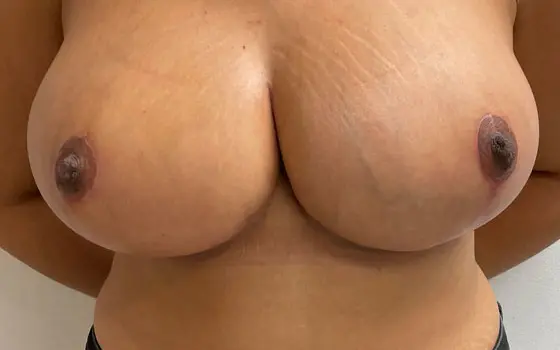
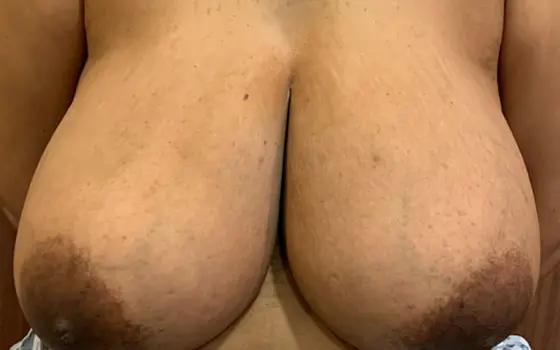
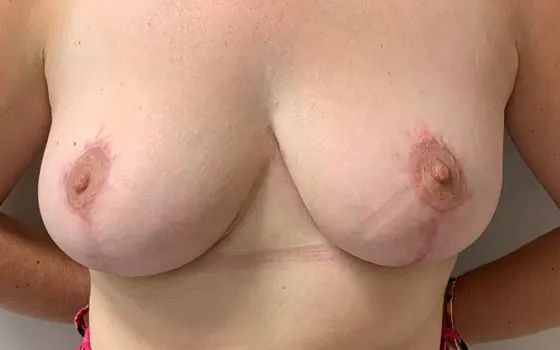
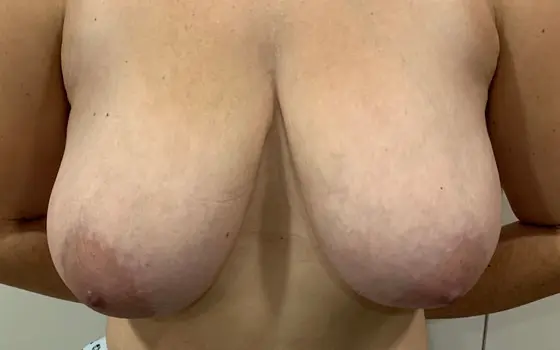
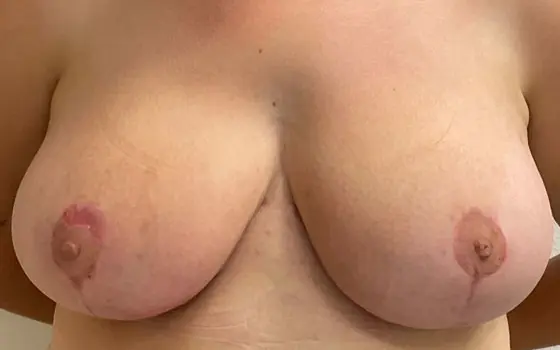
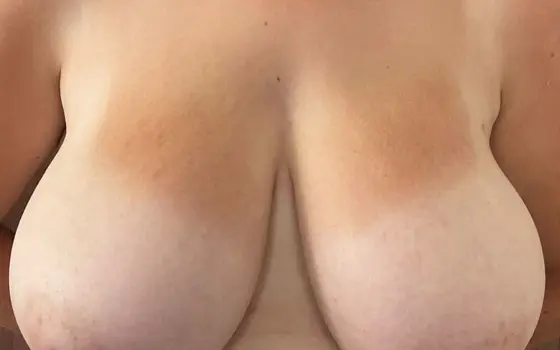
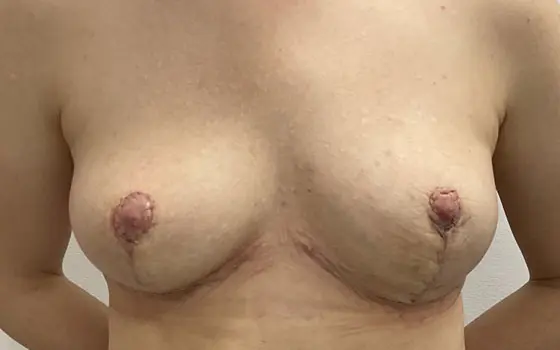
Mammoplasty Before and After

Common Questions about Mammoplasty in Cambridge

Am I suitable for mammoplasty (breast reduction surgery)?

Suitability for breast reduction surgery is about more than simply wanting smaller breasts. Your general health, breast size and shape, skin quality, weight stability and expectations all play an important part in deciding whether this is the right procedure for you.

At your consultation in Cambridge, Dr Ahid Abood will take a detailed medical history, examine your breasts and discuss your symptoms and goals. As a GMC-registered consultant plastic and reconstructive surgeon with many years of experience, he will help you understand whether mammoplasty is a safe and appropriate option in your situation, and whether it is likely to address the problems you are experiencing.

Is mammoplasty a safe procedure?

Mammoplasty is a very safe procedure for the overwhelming majority of patients. No surgical procedure is completely without risk, but the safety and welfare of Dr Abood’s patients is his primary concern. Mr Abood is a highly regarded and widely experienced plastic surgeon who has carried out many thousands of operations. He and his team will carry out your surgery in only the most advanced CQC-regulated hospitals with highly trained and caring staff. All of this ensures that your safety and well-being are a priority.

Is mammoplasty painful?

Breast reduction is a significant operation, and your body will need time to recover. The procedure itself is performed under a general anaesthetic, so you are fully asleep and will not feel anything during surgery.

In the first few days afterwards, some discomfort, tightness and bruising are normal. You will be given appropriate pain relief, and most women find that simple over-the-counter painkillers are enough after the initial period. You will also wear a post-surgical support bra, which helps to support the breasts while they heal and can make everyday movements more comfortable. Discomfort usually improves steadily over the first couple of weeks.

Are there any side effects or risks with mammoplasty?

All operations carry some risk, and breast reduction is no exception. At your initial consultation, Dr Abood will talk you through the possible complications in clear, honest terms, so that you understand them fully before deciding whether to proceed.

Common short-term effects include swelling, bruising, tenderness and a feeling of tightness in the breasts. These typically settle over the following weeks. There will be scars on the breasts, which are permanent but usually fade and soften with time. Less common risks can include delayed wound healing, infection, changes in nipple sensation or issues with scar quality. Following the aftercare instructions carefully, attending your follow-up appointments and contacting the team promptly with any concerns all help to support a smooth recovery.

How much downtime should I expect after surgery?

Recovery time varies from person to person, but there are some general guidelines. If you have a desk-based or sedentary job, you can often consider returning to work around 7–10 days after surgery, provided you feel comfortable and your healing is progressing well. If your work is more physical or involves lifting, you may need a longer period off to avoid placing strain on your upper body while it heals.

Light activities such as gentle walking can usually be resumed quite soon, and most patients can return to aerobic exercise such as cycling, jogging or swimming at around 4 weeks, once they have been reviewed. Heavier, resistance-type exercise and weight training generally need to be delayed for longer, and should only be restarted after you have been given the go-ahead. Everyone heals at a different pace, so your recovery plan will be adapted to your circumstances.

How can I access the Cambridge clinic?

The Cambridge clinic is located just outside the city centre with good access by car and public transport, and on-site parking available at Magog Court, Hinton Way. Many patients travel from Cambridge itself as well as nearby areas such as Shelford, Sawston and the surrounding villages.

When you book your appointment, the team will provide full directions and can advise on the easiest way to reach the clinic based on how you plan to travel.

How To Reach Us

Directions

Dr Ahid Abood’s Cambridge clinic is located at:

The Day Clinic
1st Floor, Unit A, Magog Court
Hinton Way, Cambridge
CB22 3AD

We are open Monday to Friday, 9:00 am – 5:00 pm.
We are closed on Saturdays and Sundays.

By Car

If you are travelling from central Cambridge, take the A1307 towards Haverhill and turn right at the first roundabout onto Hinton Way. Take the first left into Magog Court. There is on-site parking available for both cars and bicycles.

If you are approaching from other directions, aim for the roundabout where the A1307 meets Hinton Way and take the exit towards Shelford. Then take the first left into Magog Court.

By Bus

If you are travelling by bus, take the Babraham Road Park & Ride (green) service and get off at the Babraham Road stop. The Day Clinic is then approximately a 10-minute walk away.

The Babraham Road Park & Ride runs around every 10 minutes, and buses can also be boarded from Addenbrooke’s Hospital and the Grafton Centre.

By Rail

The nearest railway stations are Cambridge and Shelford.

From Cambridge Station

There is a taxi rank directly outside the station. The journey to Magog Court usually takes around 15 minutes, depending on traffic. Cambridge has frequent rail services to London and many other major destinations.

From Shelford Station

Shelford Station is closer to the clinic than Cambridge Station but has fewer train services. There is no taxi rank, so you would need to arrange a local taxi in advance. The drive from Shelford Station to Magog Court takes around 5 minutes.

Cambridge: A Historic but Modern City

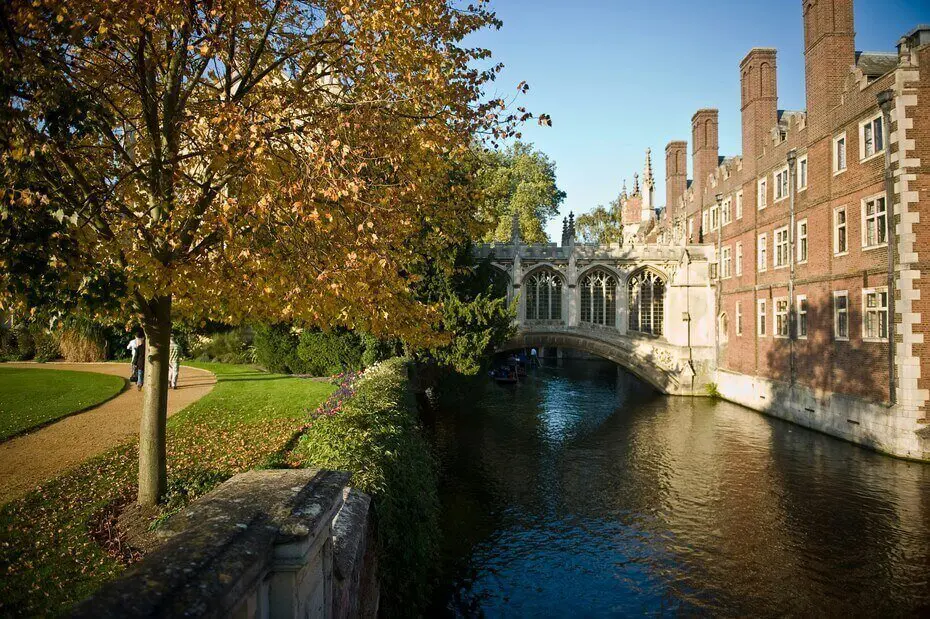
The banks of the Cambridge River


Cambridge is a city where history, learning and everyday life sit comfortably side by side. Set on the edge of the Fens in the East of England, it is known around the world for the University of Cambridge, its collegiate courtyards and the distinctive architecture that lines the River Cam. Alongside this heritage, it remains a lively market city with a close-knit community, thriving local businesses and excellent transport links.

Visitors and residents can spend time punting on the river, exploring cobbled streets and hidden passages, or visiting some of the famous colleges. The city centre offers a mix of independent shops, cafés and restaurants, together with well-known high street brands, making it easy to combine appointments, shopping and leisure in one trip.

In recent years, Cambridge has also become a major hub for healthcare, science and technology. Leading hospitals, research centres and specialist clinics serve both the city and its surrounding villages. For women considering mammoplasty in Cambridge, this means access to high-quality care in a setting that is easy to reach from areas such as Trumpington, Cherry Hinton, Shelford, Sawston and beyond.

Ahid Abood Plastic Surgery - Newsletter sign up

Sign up to our newsletter

AA Plastic Surgery