ClickCease

What Are skin tags?

Skin tags are extremely common, and most people will develop at least one during their lifetime. Although they are harmless, they can sometimes catch on clothing, become irritated or affect how you feel about your skin. When this happens, having them professionally removed can make a real difference to your comfort and confidence.

Skin tags are small, soft growths that can appear on the neck, under the arms, around the breasts, on the eyelids or in other skin folds. While they are generally harmless, removal must be carried out safely and by someone with the right expertise. In Cambridge, many patients choose to have their skin tags removed by a specialist for both reassurance and the quality of the final result.

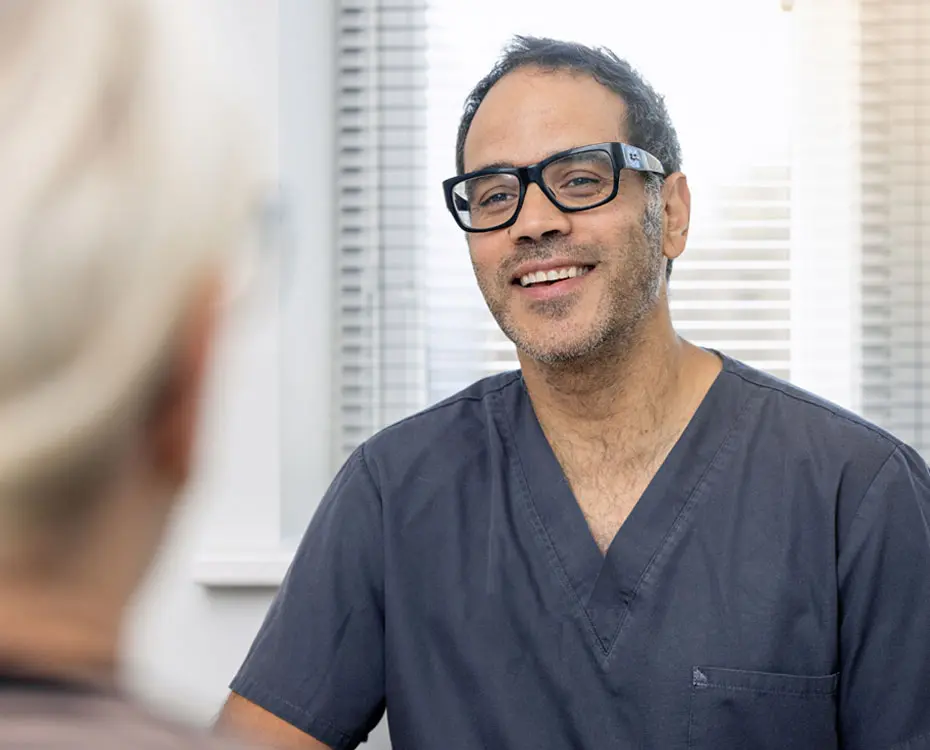
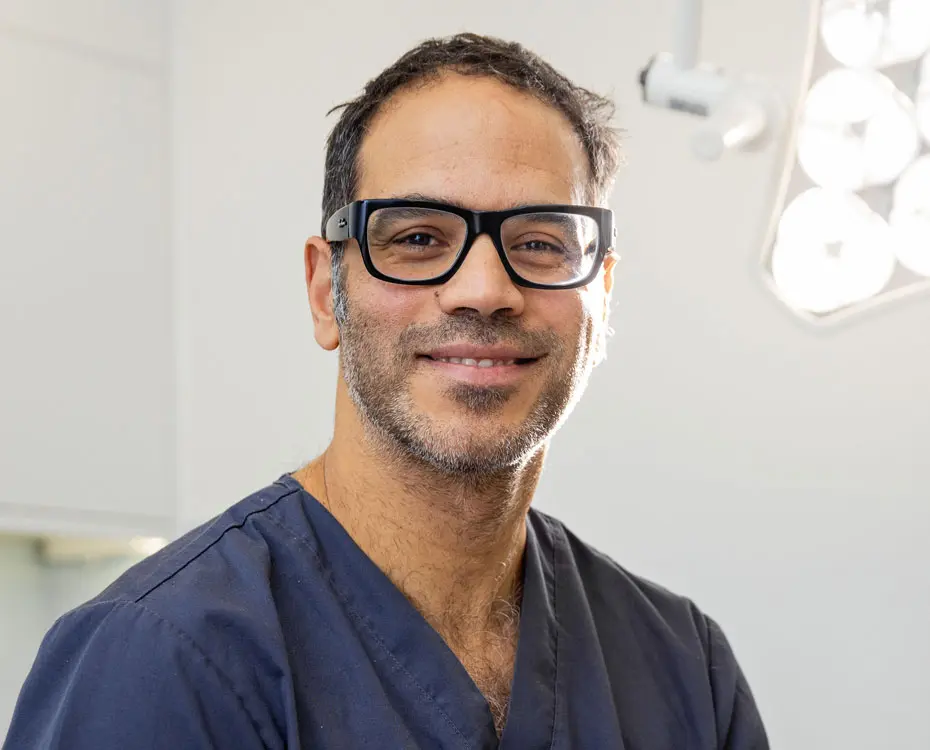
Dr Ahid Abood is an NHS consultant plastic and reconstructive surgeon with extensive experience in removing skin tags, moles, cysts and other benign skin lesions. His training and surgical background mean that procedures are performed with precision, care and a strong focus on achieving the neatest possible outcome.

At the Cambridge clinic, your well-being is the priority. You will receive clear, honest guidance at every stage, from your initial assessment to aftercare. Whether you are seeking removal for comfort, cosmetic reasons or both, you can feel confident knowing you are in experienced hands.

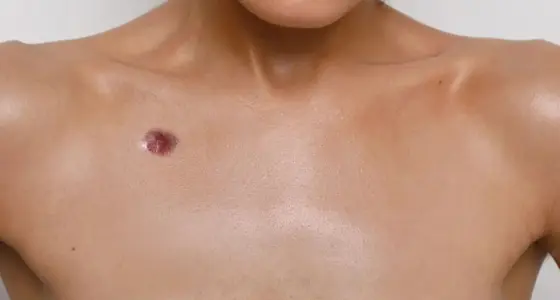
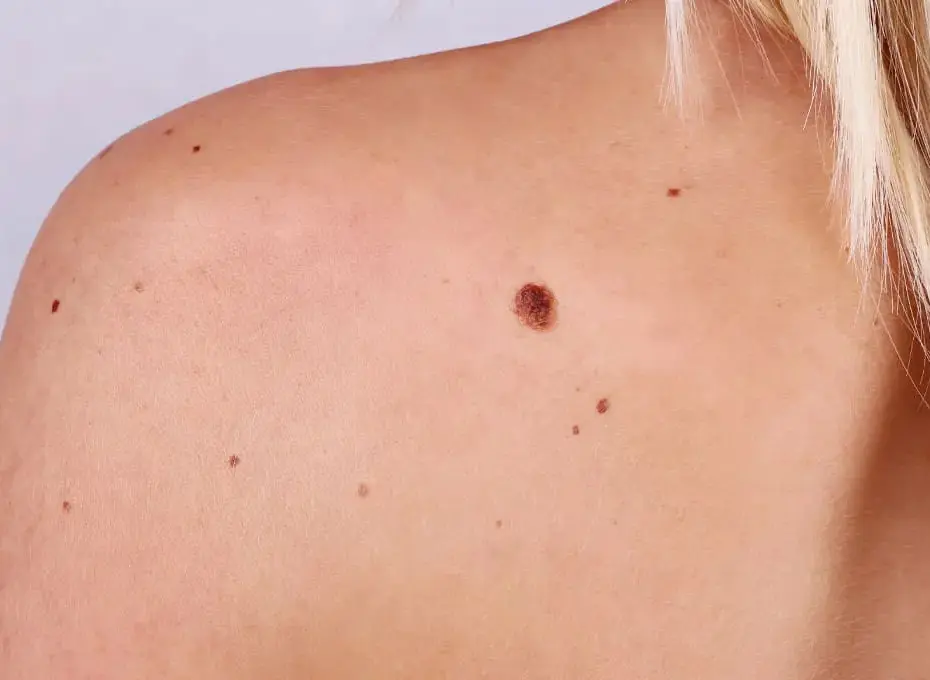
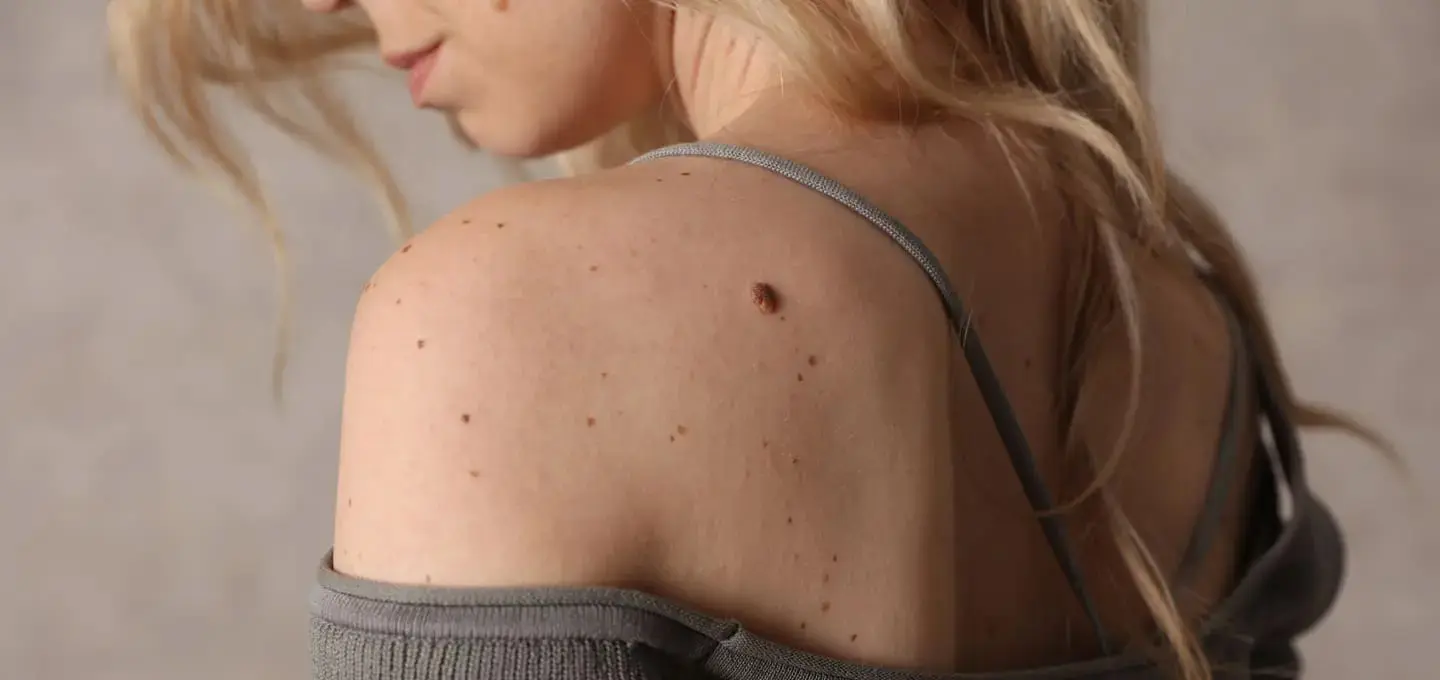
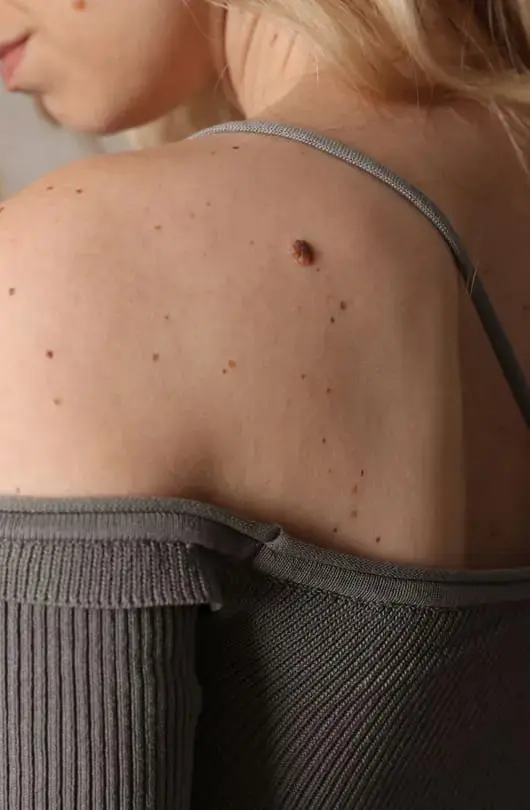
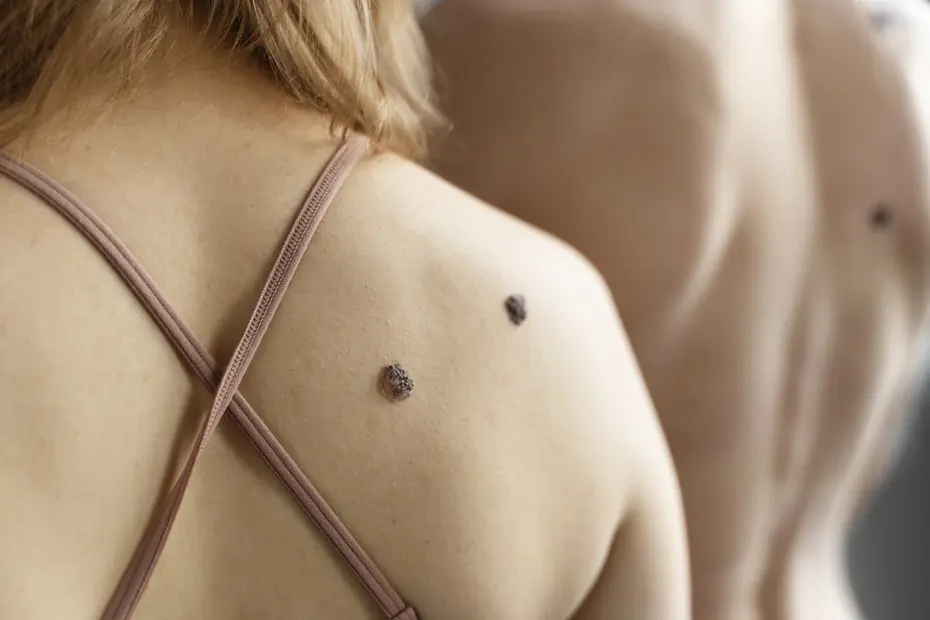
Below are our most popular treatment options for pigmented lesion removal.

Call us on 0800 2335088 or click the “Book Consultation” button below.
What our patients think

Why do skin tags form?

Ahid-Abood - Plastic Surgery Reconstruction After Skin Cancer Removal

Skin tags are small, soft growths that sit on the surface of the skin, often attached by a tiny stalk. They tend to appear in places where the skin folds or where there is regular friction, such as the neck, armpits, groin, under the breasts and in the folds of the buttocks. Some people develop only one or two, while others may notice several appearing over time.

Most skin tags are similar in colour to the surrounding skin, though some may appear slightly darker. Their size can vary from a tiny bump to a more noticeable soft projection. Although they are usually painless and harmless, skin tags can become irritating if they catch on clothing or jewellery, or they may affect how you feel about your appearance. In these situations, many people seek skin tag removal for cosmetic or comfort reasons.

Skin tags are more likely to develop in certain situations, including:

  • People who are overweight or obese, due to increased skin folds and friction
  • Individuals with type 2 diabetes
  • Pregnant women, as hormonal changes can trigger new skin tags
  • Anyone who experiences regular chafing or excessive sweating
  • Those with a family history of skin tags

Although benign, it is always sensible to have any new or changing skin lesion checked by a qualified professional, especially if you are unsure whether it is a skin tag or something else.

What to Expect During Skin Tag Removal Treatment in Cambridgeshire

Ahid Abood Plastic Surgery - Procedure

If you are considering removing a skin tag, it is important to seek advice from a qualified medical professional. Skin tags may look simple, but attempting to remove them yourself can lead to bleeding, infection, scarring, or, in some cases, misidentification of a lesion that is not a skin tag at all. Consulting an experienced plastic surgeon or doctor ensures the growth is properly assessed and safely removed.

Although the beauty industry often advertises treatments such as electrolysis, freezing or burning, these methods can have drawbacks. They may only remove part of the skin tag, meaning it can return, and they can sometimes lead to skin irritation, discolouration or incomplete results. Many of these non-medical treatments require multiple sessions, which can become costly and still may not fully resolve the problem.

At a medical clinic, skin tag removal is typically quick, precise and carried out under local anaesthetic, ensuring comfort and safety throughout. The procedure is designed to remove the tag completely while minimising trauma to the surrounding skin. Choosing a trained medical practitioner also means you receive proper aftercare guidance and reassurance that the lesion has been handled correctly.

Book Your Skin Tag Removal Consultation

To book your initial consultation for skin tag removal with Mr Abood in Cambridge, or if you have any questions about the procedure, please get in touch with our friendly team:

Phone: 0330 024 9538

Email: enquiries@dr-abood.co.uk

Skin Tag Removal Surgery in Cambridgeshire

Dr Ahid Abood - Your Plastic Surgery Consultation

Surgical removal of a skin tag is a simple, quick procedure when carried out by an experienced doctor. Skin tags are made of normal skin and soft tissue that have formed a small, harmless growth which hangs from the surface. They can occasionally develop on top of other lesions, such as moles, which is why a proper medical assessment is important before deciding on treatment.

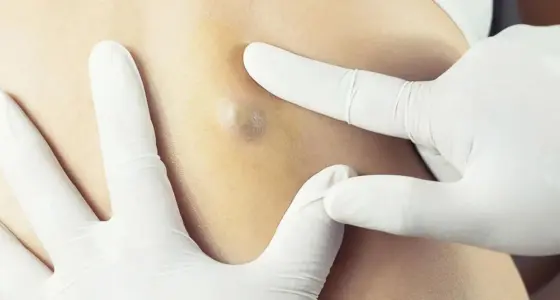
Before any procedure, you will have a consultation with Dr Ahid Abood. During this appointment, he will examine the area, confirm that the lesion is suitable for simple removal and discuss whether surgery is the best option for you. He will explain how the procedure works, what you can expect on the day and afterwards, and give you time to ask any questions or raise any concerns.

On the day of your treatment, a local anaesthetic is used to gently numb the area so that you remain comfortable throughout. Once the skin is fully numb, the skin tag is removed using fine surgical scissors or a small scalpel. This technique allows for very precise removal and gives an immediate result, which is why it is often recommended, especially for larger or more prominent skin tags.

The procedure itself is usually very short, typically taking around 15 minutes, depending on how many tags are being treated and where they are located. In many cases, stitches are not needed, although this depends on the size and position of the skin tag. You will be given clear aftercare instructions before you leave, so you know exactly how to look after the area as it heals.

About Dr Ahid Abood

Ahid Abood Plastic Surgery - How we can help

Dr Ahid Abood is a dual board-certified consultant plastic and reconstructive surgeon with specialist expertise in:

  • Reconstructive microsurgery following trauma and cancer
  • Comprehensive skin cancer management, including sentinel lymph node biopsy
  • Scar improvement and revision techniques

He graduated in medicine from the University of Cambridge, completed his clinical training at Imperial College London, and subsequently undertook a series of prestigious fellowships in the UK and internationally. This advanced training provided him with broad and in-depth experience across reconstructive, microsurgical and aesthetic surgery.

Dr Abood is fully registered with the General Medical Council (GMC) and is a member of leading professional bodies, including the British Association of Plastic, Reconstructive and Aesthetic Surgeons (BAPRAS), the British Association of Aesthetic Plastic Surgeons (BAAPS) and the American Society of Plastic Surgeons (ASPS). These affiliations reflect his commitment to the highest clinical, ethical and professional standards.

Alongside his NHS work, Dr Abood runs private clinics in Cambridge and London, welcoming patients from across the UK and internationally. He is also actively involved in mentoring medical students at the University of Cambridge, supporting the development of future clinicians.

Within the NHS, Dr Abood holds senior leadership responsibilities as the Clinical Lead for Major Trauma Reconstruction for the East of England and is a core member of the NHS Skin Cancer Multidisciplinary Team. Appointment to an NHS consultant role typically requires around 13 years of specialist training following qualification as a doctor, reflecting the seniority and expertise required for this position.

Dr Abood has authored more than thirty-five peer-reviewed research papers and contributed chapters to specialist textbooks on cosmetic surgery. His research into improving skin cancer treatment using minimal-scar techniques was awarded an MSc with Distinction, highlighting his focus on achieving optimal clinical outcomes with refined surgical approaches.

Frequently Asked Questions About Skin Tags

Is skin tag removal painful?

Skin tag removal is quick and done with little discomfort. If the skin tag is small you may only feel a slight pinprick. For a larger skin tag, local anaesthetic will be applied to the treatment area beforehand. This will ensure you don’t feel the removal of your skin tag.

How can I access the clinic in Cambridge?

Directions

Dr Ahid Abood’s Cambridge clinic is located at:

The Day Clinic
1st Floor, Unit A, Magog Court
Hinton Way, Cambridge
CB22 3AD

We are open Monday to Friday, 9:00 am – 5:00 pm.
We are closed on Saturdays and Sundays.

By Car

If you are travelling from central Cambridge, take the A1307 towards Haverhill and turn right at the first roundabout onto Hinton Way. Take the first left into Magog Court. There is on-site parking available for both cars and bicycles.

If you are approaching from other directions, aim for the roundabout where the A1307 meets Hinton Way and take the exit towards Shelford. Then take the first left into Magog Court.

By Bus

If you are travelling by bus, take the Babraham Road Park & Ride (green) service and get off at the Babraham Road stop. The Day Clinic is then approximately a 10-minute walk away.

The Babraham Road Park & Ride runs around every 10 minutes, and buses can also be boarded from Addenbrooke’s Hospital and the Grafton Centre.

By Rail

The nearest railway stations are Cambridge and Shelford.

From Cambridge Station

There is a taxi rank directly outside the station. The journey to Magog Court usually takes around 15 minutes, depending on traffic. Cambridge has frequent rail services to London and many other major destinations.

From Shelford Station

Shelford Station is closer to the clinic than Cambridge Station but has fewer train services. There is no taxi rank, so you would need to arrange a local taxi in advance. The drive from Shelford Station to Magog Court takes around 5 minutes.

About Cambridgeshire

Silhouette of Cambridge university


Cambridgeshire is a picturesque county in the East of England, lying between London and the North Sea. It is known for its charming villages, historic market towns and wide, open countryside, as well as being home to the world-famous University of Cambridge.

Alongside its rich history and beautiful scenery, Cambridgeshire offers a lively mix of culture and everyday life. Bustling markets, riverside walks and outdoor activities – including punting along the River Cam in Cambridge – make it an attractive place to live and a popular destination for visitors.

With good road and rail links, Cambridgeshire is easy to reach from surrounding counties and from London. For patients seeking skin tag removal or other minor procedures, this means access to specialist care in a setting that feels both convenient and welcoming.

Ahid Abood Plastic Surgery - Newsletter sign up

Sign up to our newsletter

AA Plastic Surgery